Blog
AI Country Song Generator: Create Country Music with Vocals, Lyrics & Instrumentals
Learn how to create AI country songs with vocals and instrumentals. Get subgenre prompts, a 6-part prompt formula, a step-by-step workflow, and copyright tips.
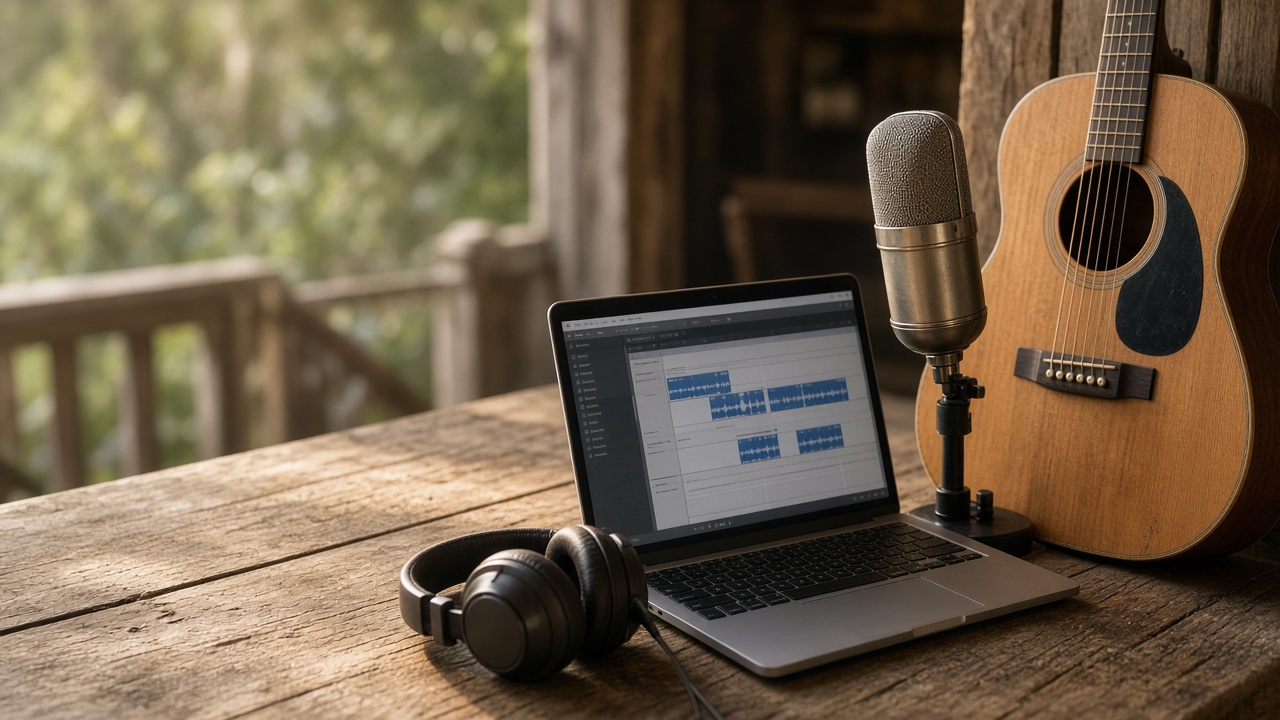
An AI country song generator is a tool that uses machine learning to create country-style music from text prompts, lyrics, or musical instructions. It connects directly to real creation tasks: writing country song lyrics, producing demos, making video music, checking copyright terms, and deciding whether a track is ready for publishing or monetization. This article explains how the technology works, what makes AI country music sound convincing, and how to test a practical workflow with Ailume. If you are a creator who wants country tracks with AI, from lyrics to a full demo, this guide walks through the tools, prompts, and workflow steps to get there.
What Is an AI Country Song Generator?
An AI country song generator creates country-style songs by converting written instructions into lyrics, melody, vocals, instrumentation, and arrangement. Unlike a basic beat maker, it can aim for a complete song shape: intro, verse, chorus, bridge, outro, vocal lead, harmonies, acoustic guitar, bass, drums, and genre-specific details such as pedal steel or fiddle.
How does an AI country generator create a song? The system reads your prompt, identifies musical patterns linked to country music, and generates audio that matches those instructions. A prompt such as old-school country ballad, male baritone vocal, 92 BPM shuffle, pedal steel fills, and lyrics about leaving a small town gives the model more useful direction than country song about heartbreak.
For full songs with vocals, the most relevant starting point is Ailume's AI song generator. It is designed for complete song output, so a creator can test lyrics, vocal character, and arrangement together instead of building each part in separate tools.
How Is It Different from a General AI Music Generator?
A general AI music generator can make many styles, but country music needs tighter direction because the difference between authentic country and generic pop with acoustic guitar is small. If you only type upbeat country, the result may miss the vocal phrasing, lyrical detail, shuffle feel, or instrumental space that country listeners expect.
For broader genre work, Ailume's AI music generator is a better fit because it focuses on flexible instrumental creation across styles. For a country song with lead vocals, story lyrics, and a clear chorus, a song generator workflow usually gives you a more complete test of the idea.
Who Should Use an AI Country Song Maker?
An AI country song maker is useful for creators who need a country-style track faster than a traditional writing, recording, and production session allows. It does not replace taste, editing, or legal review, but it can shorten the path from rough idea to listenable demo.
- Beginners and hobbyist creators: Non-musicians can generate birthday songs, personal tracks, short social clips, or story-based country songs without learning guitar, recording vocals, or mixing.
- Songwriters and indie musicians: Writers can test chorus ideas, change lyric angles, compare tempos, and hear how a song might feel with different vocal registers before booking studio time.
- Video creators: YouTubers and podcast producers can create warm country, folk-country, or Americana beds that support travel, rural business, cooking, outdoor, or family-focused content.
- Marketers and small businesses: A local farm shop, rodeo event, barbecue brand, or regional tourism campaign can test music directions before paying for a custom production brief.
A common pattern across creator workflows is that the best results come from treating the first output as a draft. For example, a wedding videographer making a 45-second rustic montage might first generate a vocal country hook, then decide that instrumental acoustic guitar works better under dialogue. That decision is a workflow choice, not just a model-quality issue.
For lyric-heavy projects, write or refine the hook before generating the full song. Ailume's AI lyrics generator can help shape country song lyrics into verses, choruses, bridges, and alternate hooks before you create the audio.
What Makes AI-Generated Country Music Sound Authentic?
AI-generated country music sounds authentic when the prompt describes the substyle, instruments, rhythm, vocal delivery, and lyrical viewpoint with enough detail. Country is not only acoustic guitar; it is also storytelling, phrasing, space between instruments, and production choices that match an era or scene.
Core country instruments include acoustic guitar, pedal steel, fiddle, banjo, dobro, mandolin, upright or electric bass, brushed drums, and honky-tonk piano. Rhythms matter too: a train beat suggests movement and tradition, while a half-time modern drum groove can push the song toward country pop.
| Country substyle | Mood | Tempo | Signature instruments | Vocal direction | Lyrical themes | Sample prompt |
|---|---|---|---|---|---|---|
| Classic country | Wistful, plainspoken | 85-105 BPM | Pedal steel, acoustic guitar, honky-tonk piano | Twangy baritone, relaxed phrasing | Heartbreak, highways, small towns | Classic country shuffle with pedal steel, warm baritone vocal, story about leaving home at sunrise. |
| Modern country pop | Bright, confident | 95-125 BPM | Polished acoustic guitar, big drums, layered harmonies | Clean lead vocal, wide chorus | Friday night, love, resilience | Modern country pop anthem with acoustic strums, punchy drums, female lead vocal, strong singalong chorus. |
| Folk-country | Intimate, reflective | 70-95 BPM | Fingerpicked guitar, mandolin, light banjo | Close, natural vocal | Memory, family, place | Folk-country ballad with fingerpicked guitar, soft harmony, lyrics about a letter found in an old kitchen drawer. |
| Americana | Earthy, bittersweet | 80-110 BPM | Dobro, fiddle, brushed drums, roomy guitars | Weathered vocal, restrained emotion | Road life, work, regret | Americana track with dobro, fiddle swells, brushed drums, weathered vocal, cinematic but natural mix. |
| Outlaw country | Gritty, defiant | 80-115 BPM | Electric guitar, sparse drums, bass, pedal steel | Low, rough-edged vocal | Rebellion, debt, bad choices | Outlaw country song with gritty male vocal, tremolo guitar, sparse drums, dark lyric about a midnight border run. |
Vocal character is often the deciding factor. Ask for nasal twang, restrained delivery, close-mic intimacy, harmony on the chorus, or a rough-edged lead instead of just male vocal or female vocal. Structure also helps: country songs often work well with verse, chorus, verse, chorus, bridge, final chorus, especially when each verse adds a new detail rather than repeating the same emotion.
How Can You Create a Country Song with AI?
You can create a country song with AI by defining the substyle, writing a clear musical prompt, adding a story or custom lyrics, generating the track, and refining the result. This process works better than asking for a finished song in one vague sentence.
- Choose the country substyle and emotional direction. Decide whether the track should feel classic, modern, folk-country, Americana, bluegrass-influenced, or outlaw. Add the listener situation: road-trip montage, breakup demo, podcast intro, campaign jingle, or singer-songwriter draft.
- Describe instruments, tempo, and vocal delivery. Include BPM if you know it. Mention acoustic rhythm guitar, pedal steel fills, fiddle, dobro, mandolin, banjo, brushed drums, train beat, harmonies, vocal range, and energy level.
- Add a story, theme, or custom lyrics. Country songs improve when the prompt includes concrete objects and scenes: a diner receipt, a rusted truck, a county fair, a porch light, a voicemail, or a motel Bible. These details give the model more to work with than love song or sad song.
- Generate, review, and refine the track. Listen for generic rhymes, awkward syllable stress, vocals that feel too polished for the style, or arrangements that drift away from country. Change one variable at a time so you can hear what improved.
A practical Ailume workflow is to draft lyrics first, generate a full vocal song, then create alternate versions with narrower prompts. If the chorus is strong but the verses feel flat, keep the hook and ask for new verses with more specific imagery. If the vocal works but the band feels too glossy, request a drier mix, fewer pop drums, and more pedal steel or fiddle space.
Most creators should export a reference version only after at least two passes. Use the first generation to find direction, the second to fix structure, and the third to polish the performance. If you plan to publish, save the prompt, lyric drafts, and project notes because they document your human contribution and creative choices.
A strong country prompt usually contains six parts: substyle, tempo, instruments, vocal direction, story premise, and production feel.
Which Prompts Work for Different Country Music Styles?
Prompts work best for different country styles when they name the subgenre and include musical details that belong to that subgenre. Small changes such as pedal steel instead of banjo, baritone instead of airy vocal, or train beat instead of modern drums can change the result sharply.
- Classic country prompt example: Create a classic country song at 94 BPM with a moderate shuffle, twangy male baritone vocal, pedal steel fills, honky-tonk piano, acoustic rhythm guitar, and a story about a driver passing his hometown after years away. Keep the chorus plainspoken and memorable.
- Modern country pop prompt example: Create a modern country pop song at 112 BPM with polished acoustic guitar, tight drums, warm bass, layered chorus harmonies, and a confident female lead vocal. The lyrics should tell a Friday-night love story with a clean hook and radio-ready energy.
- Folk-country prompt example: Create an intimate folk-country ballad at 78 BPM with fingerpicked acoustic guitar, mandolin, light banjo, upright bass, soft room ambience, and a close natural vocal. The lyric should focus on a family house being sold after many years.
- Americana prompt example: Create an Americana track at 88 BPM with dobro, fiddle swells, brushed drums, warm electric guitar, and a weathered vocal. The lyrics should follow a long-haul worker calling home from a motel parking lot.
- Outlaw country prompt example: Create an outlaw country song at 98 BPM with gritty low male vocal, tremolo electric guitar, sparse drums, pedal steel in the gaps, and a darker story about debt, bad luck, and a midnight drive.
Prompt editing should be musical, not only descriptive. If the output is too clean, add raw vocal, dry mix, sparse arrangement, or live band feel. If it is too slow, specify BPM and drum feel. If the lyrics sound generic, add a named setting, a point of view, and a physical object that can appear in the chorus.
A before-and-after example shows the difference. Weak prompt: make a sad country song about missing someone. Stronger prompt: classic country ballad at 86 BPM, lonely female alto vocal, pedal steel and brushed snare, lyrics from the perspective of a waitress closing a roadside diner while the jukebox plays their old song. The second prompt gives the AI a scene, a voice, and arrangement cues.
What Are the Best Use Cases for AI Country Music?
The best use cases for AI country music are fast demos, songwriting tests, social videos, podcast beds, ads, and independent releases that still receive human review. The right workflow depends on whether you need vocals, instrumental background music, editable lyrics, or a polished production reference.
Video creators and marketers often need music that supports speech rather than competes with it. For those projects, Ailume's AI background music tool is a better fit than a full vocal country song because it can create instrumental country, folk-country, or Americana cues for narration, product clips, and short campaigns.
| User type | Desired output | Recommended workflow | Customization needs | Quality or licensing check |
|---|---|---|---|---|
| Hobbyist | Personal song or social clip | Generate full song with vocals | Theme, mood, vocal style | Check sharing rights and avoid real artist imitation |
| Songwriter | Rough demo | Draft lyrics, generate versions, rewrite | Structure, hook, tempo, vocal range | Keep human edits and project notes |
| Video creator | Instrumental bed | Create background track without lead vocal | Length, loop feel, energy level | Confirm YouTube and client-use permissions |
| Marketer | Ad or brand cue | Test several short country moods | Brand tone, duration, no distracting lyrics | Review commercial license and attribution terms |
| Indie musician | Production reference | Generate demo, then rerecord or edit | Arrangement, harmony, stems, mix notes | Confirm distribution rules before release |
One realistic workflow is a food truck owner making a 20-second local ad. A vocal chorus may be memorable, but it can also fight the spoken offer. An instrumental country-rock cue with handclaps and short guitar hooks may perform better because it leaves space for the message.
What Are the Limitations, Copyright Rules, and Licensing Risks?
AI country music has limits in lyric originality, vocal phrasing, emotional detail, arrangement control, and legal certainty. The output can be useful, but creators should review both the audio and the usage terms before publishing or monetizing a track.
Common quality issues include repeated chorus lines, rhymes that feel too expected, syllables landing awkwardly against the beat, or vocals that slide between country, pop, and folk without a clear identity. Instruments can also blur: a banjo may feel like decoration rather than part of the groove, or pedal steel may appear only as a vague texture.
This section is general information, not legal advice. Copyright is more complex than the export button suggests. According to the U.S. Copyright Office's guidance on works containing AI-generated material, copyright protection depends on human authorship and the expressive contribution made by a person. Other jurisdictions may treat AI-assisted works differently, and platform terms can add separate contractual rules.
Before commercial publishing, check Ailume's current terms, output license, attribution requirements, sample policies, and distribution permissions. Also avoid asking for a living artist's exact voice or a copyrighted song imitation. Safer prompts describe general musical traits such as warm baritone vocal, 90s country ballad, or modern country pop chorus rather than naming a protected recording as the target. For a deeper breakdown of rights and human authorship, see our AI music copyright guide.
- Save prompt history, lyric drafts, and edits.
- Review whether commercial use is allowed for your account or plan.
- Check whether attribution is required.
- Listen for accidental similarity to known songs.
- Confirm client, ad platform, distributor, and YouTube rules before release.
How Should You Choose an AI Country Song Generator?
You should choose an AI country song generator by matching the tool to the output you actually need: a complete vocal song, instrumental cue, lyric draft, vocal idea, or production reference. The best tool for a songwriter demo may not be the best tool for a podcast intro.
- Match the tool to the output goal. Use a full AI song generator for complete songs with vocals. Use an instrumental generator for background tracks. Use a lyrics generator when the story and hook need more work before audio generation.
- Evaluate control and genre consistency. Test whether the tool follows BPM, substyle, vocal, and instrumentation instructions. Country music exposes weak prompt control quickly because the style depends on small details.
- Check iteration speed. A useful workflow lets you revise quickly, compare versions, and keep the strongest lyric or arrangement idea instead of restarting blindly.
- Review licensing before the project matters. Do this before a client deadline, ad buy, or distribution upload, not after the track is finished.
Ailume is a practical place to test the full chain because its tools cover song generation, instrumental music, lyric writing, and background music. For more advanced production, Ailume's AI Music Producer with the FUZZ model supports a production mindset around arrangement, mixing, mastering, and multi-track decisions. As a general rule, country prompts that name the substyle, tempo, vocal direction, and at least three instrument cues tend to be more consistent than prompts that only name the genre.
The simplest evaluation is to run the same lyric concept three ways: classic country, folk-country, and modern country pop. If the tool changes the arrangement, vocal delivery, and rhythm in ways you can hear, it is responding to genre direction rather than just adding a label.
AI Country Song Generator FAQ
An AI country song generator FAQ should answer the practical questions creators ask before they spend time generating, editing, or publishing tracks. These answers focus on vocals, YouTube use, lyrics, instrumental music, and copyright review.
Can AI Generate a Realistic Country Song with Vocals?
Yes, AI can generate a realistic country song with vocals, but the result depends heavily on the prompt, model, and review process. You will usually get better results by specifying vocal range, accent level, harmony style, tempo, instruments, and lyrical viewpoint. Expect to generate multiple versions if the first vocal sounds too generic or too polished for the substyle.
Can I Use an AI Country Song in a YouTube Video?
You may be able to use an AI country song in a YouTube video if the platform license allows that use and the track does not create third-party rights issues. Check the AI tool's current terms, your account permissions, attribution rules, and YouTube monetization requirements. For client or paid ad work, keep written records of the license and project use.
How Do I Make AI-Generated Country Music Sound Less Generic?
Make the prompt more specific. Add a substyle, BPM, vocal direction, rhythm, instruments, song structure, and a concrete story scene. Instead of sad country song, use folk-country ballad, 78 BPM, close female vocal, fingerpicked guitar, mandolin, lyric about packing a father's tools after selling the family barn. Specific images usually improve the lyric and performance.
Can an AI Country Song Maker Write Custom Lyrics?
Yes, many AI country song makers can write lyrics from a theme, title, or prompt, and some let you paste your own lyrics before generating the song. For better results, write the chorus hook first or create several lyric drafts, then generate audio around the strongest version. Country lyrics benefit from clear point of view and concrete details.
What Is the Difference Between AI Country Music and AI Folk Music?
AI country music usually leans more on country vocal phrasing, verse-chorus hooks, pedal steel, fiddle, train beats, shuffle rhythms, and plainspoken storytelling. AI folk music often uses quieter arrangements, fingerpicked guitar, softer vocals, and more intimate or poetic lyrics. Folk-country and Americana sit between the two, so prompts should name the balance you want.
Can I Create Instrumental Country Background Music with AI?
Yes, you can create instrumental country background music with AI for videos, podcasts, ads, games, and social clips. Ask for no lead vocal, clear duration, loopable ending if needed, and instruments that leave room for speech. Folk-country guitar, light mandolin, brushed drums, and soft dobro often work well under narration.
Are AI-Generated Country Songs Copyrighted?
Copyright treatment depends on jurisdiction, human contribution, platform terms, and how the song was made. In the United States, the Copyright Office has emphasized human authorship for copyright protection in AI-assisted works. A practical approach is to add meaningful human lyrics, edits, arrangement choices, and documentation, then review the tool license before commercial use.
About the Author
This article was written by Ailume Music Lab for the Ailume Team. Ailume Music Lab tests AI music generation, AI lyrics workflows, background music use cases, and production practices for independent creators and small teams.
Last updated: August 2026.